Connecting a Charity's System to SANADY in Qatar
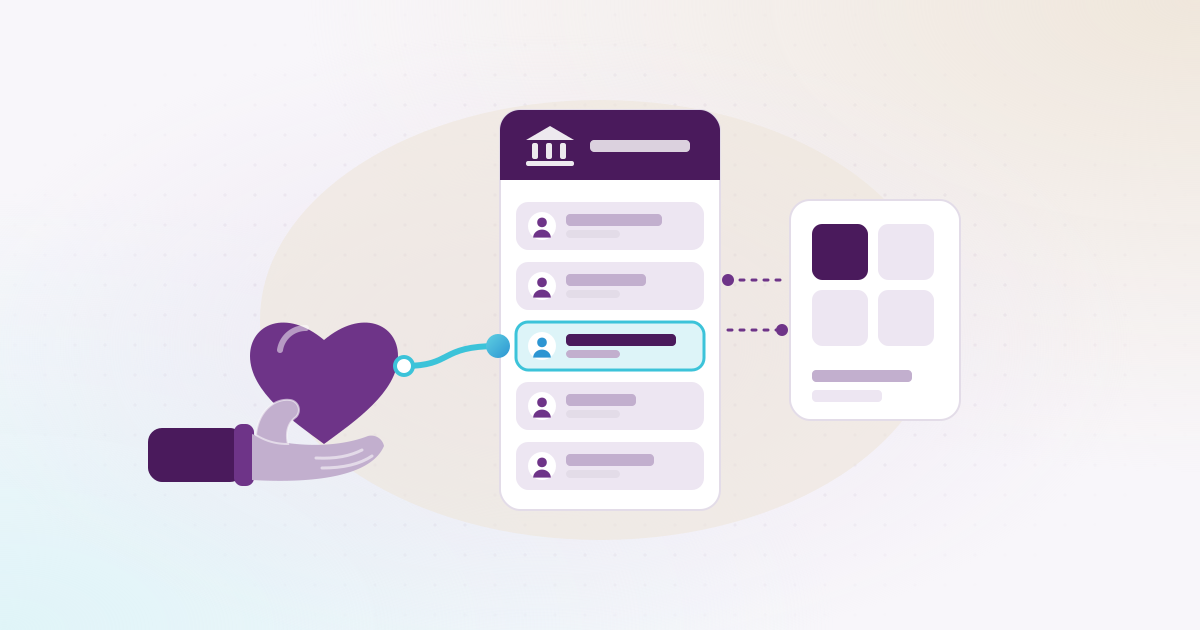
Connecting your charity’s system to SANADY means the beneficiary and aid records your team works on in Qatar are the same records the Regulatory Authority for Charitable Activities (RACA) sees, without typing each case twice. Most of the work is not technical: it is cleaning your beneficiary data, agreeing at which approval step a record goes to SANADY, and keeping a record of who sent what.
Akwad Programming is a software company in Doha. We built the aid platform for Afif Charity, which is live and connected to SANADY. This guide uses only public information about SANADY, linked below and checked on 16 November 2026, plus what we learned on that project. The conditions for joining and connecting are set by RACA, so confirm the current requirements with RACA before you plan.
What is SANADY, and who runs it?
SANADY (also written Sanadi, «سندي») is RACA’s Domestic Aids Portal, launched in January 2025 to coordinate aid to people in need inside Qatar. The Ministry of Social Development and Family announced its launch on 26 January 2025, alongside the charitable sector strategy for 2025 to 2030, and described it as an integrated system to identify needs, simplify procedures and coordinate donors and beneficiaries.
At the launch, RACA officials said the portal lets users look up beneficiaries across the entities that have signed agreements with RACA, builds a national database of aid beneficiaries and reduces repeated requests from the same beneficiaries, as reported by Qatar Tribune on 27 January 2025.
For a charity, that means one thing in practice: what you record about a family is no longer only internal. It meets the records of other charities and government bodies, so mistakes and duplicates show up.
Why connect your system instead of entering cases twice?
Because two sets of records drift apart. When your team registers a case in your own system and then types it again on SANADY, the two copies stop matching within weeks: a corrected phone number here, a new attachment there.
A connection removes the second entry. The case worker works in one place, and the updates go to SANADY from the same record. It also changes what your managers can trust. If the regulator asks about a family, the answer in your system and the answer on SANADY are the same answer.
What beneficiary data should you clean before connecting?
Clean the data that identifies a person first, starting with the Qatar ID (QID), because that is what a lookup depends on. Duplicates and old records that sat quietly in a spreadsheet become a problem once they are matched against a national database.
| Data | What to check before connecting |
|---|---|
| QID | One file per person, no duplicates, numbers typed correctly |
| Expiry of the QID | Expired IDs flagged for the family to update |
| Names | The Arabic name as on the QID, plus one agreed English spelling |
| Family links | Head of household and dependants linked, not entered as separate cases |
| Contact details | Current mobile number, area and address |
| Attachments | Clearly named, readable, and attached to the right request |
| Case status | Old, closed and duplicate files closed or merged, not left open |
Do this before the technical work starts. It is slow, careful work for the case workers, but a clean list makes the first weeks after connection much calmer.
At which approval step should a record go to SANADY?
Decide it before anything is built: which status of a registration or aid request means the record is ready to send, and who is allowed to send it. Without that rule, half-checked cases go out early, or approved cases wait in someone’s inbox.
At Afif Charity, each aid request moves from a supervisor to management and then to the committee. Committee members each enter an amount and the system works out the average, and the aid paid cannot go above the approved amount. Updates to registrations and aid requests, with their attachments, go to SANADY from the same record, and staff can look a beneficiary up on SANADY by QID during review.
Write your own path down on one page: who registers, who checks documents, who approves, and at which point the record is shared. That page becomes the brief for whoever builds the connection.
How should Arabic and English records be handled?
Keep the official Arabic name as the main record and store one agreed English spelling beside it. The same name can be written in English in several ways, and a lookup or a report that relies on English spelling will miss people.
The rest of the system should work in both languages too. At Afif Charity, families register in Arabic or English, on a phone, and can save a form and finish it later, which matters when the registration has more than 50 fields and several attachments. Staff screens, print formats and management reports should follow the reader’s language, so the committee and the auditor read the same figures.
What audit trail and consent records should you keep?
Keep a log of who registered, changed, approved and sent each record, and when, plus the beneficiary’s signed declaration. When RACA first described the coordination platform, it said beneficiary data would be shared with charities and government bodies after the beneficiaries’ consent, as reported by QNA on 13 June 2023.
In practice that means:
- A declaration the applicant must accept before the form is saved. At Afif Charity we made the declaration required.
- Access by role, so a case worker sees cases, finance sees payments and the committee sees what it needs to decide.
- A history on every record, kept in the system, not in email threads.
- Data kept in the country if your board prefers it. We host Afif Charity’s platform on Microsoft Azure in Qatar, with backups.
What did we learn connecting Afif Charity to SANADY?
The connection itself was only the start; most of the effort went into the everyday cases that real applications bring. Searching by QID, sending attachments with a request, updating the estimated amount, and resetting a beneficiary’s status and file each needed their own work, as we describe in the Afif Charity project.
Three lessons we’d pass on to any charity:
- Plan time after go-live. The first months show cases nobody thought of in the meeting room.
- Keep finance in the same system. The aid systems we build also record zakat, sponsorships and donation receipts, so what was raised and what was paid come from the same data.
- Give one person ownership. Someone on your side should own the SANADY process, follow up rejected updates and talk to RACA when rules change.
Where should a charity start?
Start with a short review of your beneficiary list and your approval path, before you talk about screens. Count the duplicates, check how many QIDs have expired, and write down at which step a case is ready to share.
If you’d like to see how an aid system with registration, approvals and SANADY works in practice, read how we work with charities in Qatar, see the government and payment integrations we have delivered, or book a demo with our team in Doha. If you are still choosing a system, our comparison of ERPNext and Odoo in Qatar lists the questions to ask, and our guide to ERP cost in Qatar explains what a quote covers.